
Accessibility Tools

What’s the Best Mortgage for You?

Grandparents And Grandchildren Sitting On Sofa Together

The traditional 30-year fixed-rate mortgage is among the most affordable loan products available today. The longer term allows for a lower monthly payment than that found with a 15-year or 20-year mortgage. The fixed rate makes it more stable than an adjustable rate product; the monthly payment on the loan will never go up. In addition, few 30-year fixed-rate mortgages come with pre-payment penalties. This makes them flexible; you can pay off your mortgage earlier of you want.

That said, a 30-year fixed-rate mortgage is not always the best choice for every homeowner. There are a number of alternatives that could be a better fit for your financial goals.

Cash – While the many of home buyers may have been unlikely to consider an all cash offer in the past — that trend is changing. In 2014, 43% of all home purchases were cash offers, according to Realtytrac data. That’s nearly half — and if you can afford to go the all-cash route, there are a few benefits. First, you’ll avoid the hassle of applying for a home loan. Second, now that the real estate market is again on an upswing, you may earn a better rate of return on your investment than you will if you leave the cash in CDs or other low-interest savings vehicles. Finally, a home seller may be more likely to give you a discount on the purchase price in exchange for the ease of a closing facilitated by cash.

Fifteen-year fixed-rate mortgage – If you have the means to make the larger monthly payments required by a 15-year fixed-rate loan and want to be mortgage-free sooner, this is an attractive alternative to the traditional 30-year product.  It and the 20 year fixed rate mortgage are increasingly becoming a preferred loan option for refinancing. Because you’re paying a larger portion of the principal each month, you’ll build equity in the property at a much faster rate. This product often has a lower interest rate than a traditional 30-year loan as well—which can save you thousands of dollars over the life of the mortgage.

Five/one adjustable-rate mortgage – Adjustable rate mortgages (or ARMs) got a bad rap during the mortgage crisis. However, a 5/1 ARM is still a viable loan option for homebuyers and refinancers who are comfortable with some degree of risk and don’t plan to live in their properties for long. The product offers a low fixed interest rate for the first five years followed by annual adjustments for the remaining loan term. The lender will calculate the rate adjustment based on a variable rate plus a fixed margin. Most of today’s 5/1 ARM loans include limits on how much the rate can adjust in a single period and the maximum rate possible over the life of the loan.

Mortgage interest rates are still quite low, making it a great time to buy or refinance for many Americans. If you’ve been dreaming of lowering your mortgage payment, reducing your loan term, or buying a new home, contact your mortgage professional to discuss your borrowing options including these 30-year fixed-rate mortgage alternatives.

Before You Buy a New Home

Before You Buy a New Home

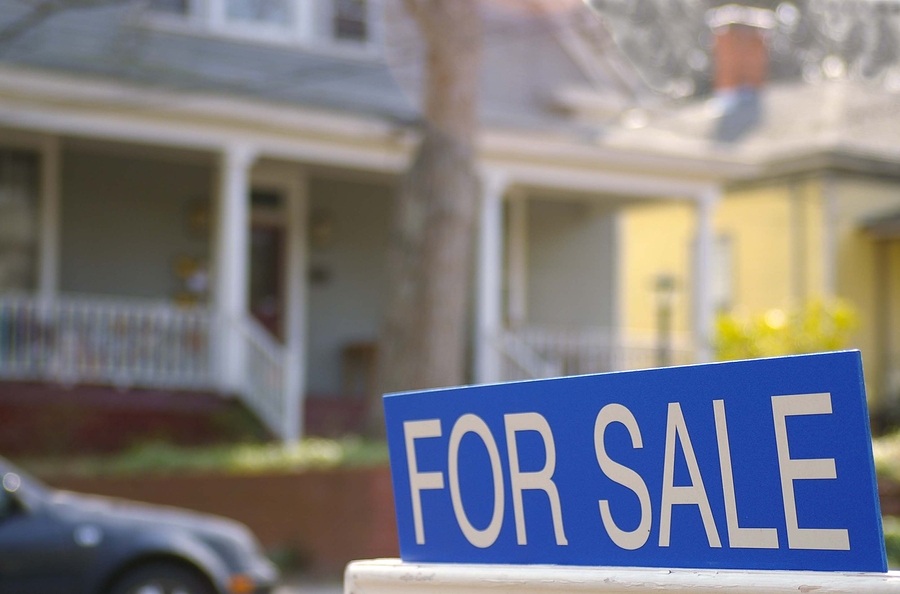
Almost everyone has had the experience of driving by a home for sale and impulsively taking a flyer. While fantasizing about the darling Craftsman bungalow in an older neighborhood can be fun, impulsively calling a realtor might not be the best choice. Taking the time to prepare for home ownership can save you money, hassle and heartache down the road.

Get a copy of your credit report. If your score is on the low side, take steps to increase it before applying for a loan. The higher your FICA score, the lower your interest rate is likely to be. Shoot for a score between 760 and 850, advises Bankrate.com. Build up your credit by applying for a credit card and making on-time monthly payments.

Do not apply for multiple lines of credit, however, as your credit score is adversely affected each time a company checks your credit report. In addition, if you have too large a line of credit, banks will be reluctant to make a home loan, as your potential debt to income ratio will be too high.  Pay down any existing debt, as this will increase your credit score.

Make an honest assessment of your income and expenses. Before you can decide how much home you can afford, it is important to look at all of your expenses, including existing debt. Avoid the temptation to anticipate increased future income, or lower expenses. Look at your expenses each month over the past year and work with the numbers from the month with the highest expenses. This way, you will avoid committing yourself to purchasing a home that will financially tax you and your family.

Make a list of qualities you want in a home. If you have children, investigate local schools and identify the neighborhoods served by the schools you prefer. Look at crime rates, commute times and other quality of life factors. Think about whether you prefer new construction or a fixer-upper, and what amenities you would like your home to offer. Prioritizing your wants and needs will help you to avoid making a potentially unwise emotional decision after you have been approved for a home loan.

Get pre-approved for a home loan. Doing so will enable you to better negotiate with sellers and obtain a sales contract on the house you want. You will also be able to get the home appraised, which is essential to obtaining the actual loan. Ask around before deciding on a lender. Your friends and neighbors will be able to tell you of local lenders with whom they have had a positive experience.

Once you know what you want and are prepared, you are ready to go home shopping. Stick to your guns and resist the urge to settle for something less than what you want. Remember, if it is not available now, chances are it will be on the market soon.

Reverse Mortgage: What You Should Know

Reverse Mortgage: What You Should Know

A reverse mortgage is exactly what it sounds like – your mortgage company pays you every month you occupy your house, at least in one common scenario. It sounds too good to be true, but can be a viable way to increase cash flow for people over 62 years of age who need to increase their cash flow.

How Do I Qualify?

To qualify for a reverse mortgage, you will need to meet certain conditions. Besides being 62 or older, you’ll need to own your home outright or have such a low existing balance that you’ll be able to pay it off with the money you receive from the reverse mortgage. You also must live in the home and agree to accept consumer counseling before you proceed.

You do not have to live in a conventional home to qualify for a reverse mortgage. Multi-plexes with up to four units qualify, as long as you live in one of the units. Condominiums and manufactured homes also qualify if they have been HUD-approved.

How Much Can I Borrow?

The amount you can borrow primarily has to do with the worth of your home. Other factors that come into play include the age of the youngest borrower, the current interest rate and your Initial Mortgage Insurance Premium.  In short, you will receive more money if interest rates are low, your age is high and your home is worth a significant amount of money.

What Are the Drawbacks?

Reverse mortgages are ideal for people who need extra cash flow and who do not want to sell their homes to meet that goal. If you are fantasizing about taking an extended RV trip or spending your winters on the Mexican Rivera, however, a reverse mortgage is not for you. You need to occupy the house to qualify for your reverse mortgage payments, so if extended travel or a move is on your agenda, consider other avenues to meet your financial needs.

If you have always intended on leaving your home as an inheritance, keep in mind that a reverse mortgage will need to be paid back. In many cases, this necessitates the heirs placing the house up for sale so they can pay balance of the mortgage and keep any remaining equity. The good news is that your heirs won’t be saddled with debt from this type of loan.

Plant Trees to Add Home Value

Plant Trees to Add Home Value

If you think homebuyers are mostly concerned with square footage and the number of bedrooms and bathrooms your property has, you’re partially wrong. Sure, these features are important, but there’s another that many sellers overlook: trees. According to surveys conducted by the National Association of Realtors (NAR), 18 percent of repeat buyers and 25 percent of new home buyers said that purchasing a residence on a wooded lot or a lot with many trees was “very important” to them.

It’s easy to understand why. In addition to producing essential oxygen and providing nesting places for birds, squirrels and a host of other wildlife, trees can substantially cut home energy costs and add value to your property.

Energy Costs – According to the USDA Forest Service, strategically placed trees can reduce your home’s air conditioning needs by 30 percent. During the colder months, these same trees can save you as much as 50 percent in heating costs. In most places, these savings add up to hundreds of dollars a year.

Property Value – The Forest Service also touts the property value benefits of trees. On average, they say that healthy, mature trees can add an average of 10 percent to your home’s value. The more mature, healthy trees your lot boasts, the higher your value and the less time your home is likely to spend on the market. According to one Forest Service study from 2010 conducted in Portland, Oregon, trees added an average of $8,870 to home sale prices and decreased market time by two days.

Getting the Most from Trees

Of course, the actual energy savings and increase in property value you’ll enjoy depends on the placement, size, species and condition of your trees as well as your geographic location.

Deciduous trees work well on the west side of a house where they can provide shade in the summer and allow the warming rays of the sun to reach the structure in the winter after they’ve lost their leaves. Evergreens are an excellent choice for the north side of a house where they can block chilling winter winds.

In general, you should think about each tree’s full-grown size and shape before you plant it. Avoid planting near power lines, as falling branches can cause power outages. And don’t plant any tree too close to your home’s foundation. Maturing roots can cause damage to the foundation and sewer lines entering your home.

While larger trees are often more attractive to homebuyers, they also cost more. A 15-foot tall evergreen might run $100 to $200 while a younger, 7-foot specimen might only cost $50 t $100. If you’re a member of the Arbor Day Foundation, you can buy sapling trees for $8 to $20—or even less.

Trees grow fairly slowly—even the fast-growing varieties may only add 15 feet over 10 years—so you’ll need to weigh factors such as how long you intend to live in your home before selling against your budget when choosing the right size trees for your purposes.

Your agent can provide you with additional information on adding value to your home with trees and other improvement projects. Please contact us today with any real estate questions.

Still Underwater? You Have Options

Still Underwater? You Have Options

The real estate market may be recovering across most of the U.S. but millions of Americans continue to struggle with underwater mortgages. According to MarketWatch, first quarter 2015 saw a decline in the number of negative equity properties to 15.4 percent from first quarter 2014’s 18.8 percent. However, more than 4 million homeowners still owe their lenders at least 20 percent more than their properties are worth. Fortunately, if you’re among them—whether underwater a few percent to 20 percent or more—you still have a number of options.

Refinance or Modify your Mortgage

If you’ve been struggling to make mortgage payments, you’re not alone. One recent survey found 52 percent of Americans have made at least one major sacrifice to pay their mortgage in the last three years. Fortunately, refinancing can help you reduce your monthly payment. While most banks won’t refinance underwater homes without a significant influx of cash, the government’s Home Affordable Refinance Program will. You can learn more about HARP and HAMP (the Home Affordable Modification Program) at www.makinghomeaffordable.gov.

Rent Out Your Home

Perhaps you have a family member willing to let you move in for a while. Maybe you’ve found an adequately sized apartment for a fraction of your mortgage cost. Moving out and renting your home to someone else for as much—or more—than your monthly mortgage payment could help you keep your home until you’re able to refinance (and move back in) or break even with a sale.

Short Sale Your Property

If you are already facing a foreclosure, a short sale could be an option. It involves selling your home for less than the amount owed on your underwater mortgage, with the lender absorbing the loss. A short sale can have negative effects on your credit score, so it makes sense to try to refinance or modify your mortgage to get payments under control before going this route.

Ask for a Deed-in-Lieu of Foreclosure

If you’ve adjusted to the idea of losing your home, but want to avoid the foreclosure process, you may be able to request a deed-in-lieu of foreclosure arrangement from your lender. This agreement allows you to transfer your property’s title to your lender, though you will still experience negative credit score effects. A deed-in-lieu may be preferable to a short sale if you’re concerned that your lender will try for a deficiency judgement (in which you’re liable for the difference between sale price and mortgage balance) if you pursue the latter.

While dealing with an underwater mortgage can be stressful, timely action can help you prevent foreclosure and get your payments under control. Whether you’re interested in pursuing a refinance or modification, renting out your home or selling the property, we’re here to help. Contact us for answers to all of your real estate questions.


Past Bankruptcy or Foreclosure? You Can Still Buy a Home

Past Bankruptcy or Foreclosure? You Can Still Buy a Home

According to the American Bankruptcy Institute, 875,635 Americans filed for bankruptcy in 2014, 11 percent fewer than in the previous year. RealtyTrac data shows 1.12 million foreclosure filings in 2014, an 18 percent drop over 2013. While both declines are good news, the numbers still represent millions of consumers who are now struggling with the negative effects such events have on their credit scores and ability to secure financing for major purchases.

Fortunately, their struggle won’t last forever. Many consumers are able to close on a home loan just a few years after one of these significant financial hiccups.

Buying a Home after a Bankruptcy

Consumers who file for Chapter 7 are typically looking at a wait of four years for a conventional home loan or two years for FHA or VA financing. Different lenders may have their own in-house requirements on top of those established by the loan program.

Consumers who file for Chapter 13 may be able to secure a conventional loan after waiting a mere two years. The wait for a FHA or VA loan is even shorter: after filing Chapter 13, they typically need to show a minimum of 12 consecutive months of on-time payments to creditors.

Buying a Home after a Foreclosure

Whether their lender foreclosed on their home or they opted to use a short sale or deed-in-lieu of foreclosure to unload the property, wait times to secure financing may be longer than for consumers dealing with bankruptcies. Even a loan modification can trigger a “seasoning” period.

Conventional loans—mortgage loans backed by Fannie Mae or Freddie Mac—typically require consumers to wait seven years after the completion of their foreclosure. VA loans have a two-year waiting period.

FHA loans offer a bit more leeway. Through the Federal Housing Authority’s Back to Work Program, consumers may be able to purchase a primary home as little as 12 months after experiencing a foreclosure. However, to qualify, they must be able to prove that the loss of their previous home was due to circumstances beyond their control—namely a job loss or a medical emergency that reduced their income by at least 20 percent for more than six months.

For consumers who are unable to prove they endured this type of economic event, the waiting period for an FHA loan is typically three years.

Rebuilding Your Credit

While FHA and VA loans may have less stringent requirements than conventional mortgages do, anyone wishing to buy a home after the waiting period associated with their financial hiccup is likely to need to spend much of that time rebuilding their credit and saving for a down payment. Both bankruptcy and foreclosure can knock 100 points or more off a consumer’s credit score.

This requires committing to living within one’s means, socking away savings, and making on-time payments on all bills. It’s best not to max out credit cards or take on a lot of new debt in the process. Those who rent after foreclosure may want to look for a landlord who participates in Experian’s RentBureau program. Timely rent payments will then help boost their credit score.

Are you ready to buy or sell a home? Contact us today for real estate or mortgage assistance.

Adding Curb Appeal on the Cheap

Adding Curb Appeal on the Cheap

According to researchers at Princeton University, it only takes us 100 milliseconds to form a first impression of another human based on his or her appearance. We can assume potential homebuyers judge our properties just as quickly, basing their initial impression on external appearance—or curb appeal. Not only will improving your home’s curb appeal reduce the time it spends on the market, it may even increase its sales price. And it doesn’t have to cost a fortune to cultivate. Just consider these simple ways to add curb appeal on the cheap.

  1. Mow the Lawn – A well-manicured lawn is an easily recognizable sign that you’ve probably maintained your home. Before you put your property on the market, spend a weekend cutting the grass, trimming the bushes, weeding flowerbeds and cleaning up clutter.
  1. Scrub the Exterior – Washing dirt off siding is almost as good as giving your home a fresh coat of paint. In many cases, a hose with a spray nozzle is all you’ll need to rinse away dust and grime. If heavy-duty cleaning is required, look into renting a pressure washer. While you’re at it, spray down your walkways and driveway as well.
  1. Brighten the Entryway – Repaint your front door, clear away cobwebs, replace your dingy welcome mat with a new, bright one and—for extra points—add a few potted, flowering plants on either side of your home’s entrance.
  1. Get Sparkling Windows – Many homebuyers cruise neighborhoods at after dark, driving by available properties. Clean windows not only allow more sunlight into your home during the day, but also help it look its best at night. Wash every window—inside and out.
  1. Harness the Power of Flowers and Shrubs – Whether your yard is large or small, colorful beds of flowers can make it instantly appear more luxurious. Shrubs serve as natural fences and can create additional privacy around patios and porches. When choosing plants, make sure you have varieties that bloom in late spring, summer and early fall so your yard will look equally beautiful throughout the season.
  1. Freshen up Soil and Mulch. If you want to keep old landscaping looking as good as new, try laying down fresh soil in your flowerbeds and garden. Fresh mulch around trees and walkways can also brighten your property while creating uniformity.
  1. Don’t Forget the Little Details. New address numbers, a unique mailbox, modern door hardware, walkway torches, ornamental flowerbed fencing and other small touches can add appealing personality to your home’s exterior. Fountains, birdbaths, sculptures and wind chimes are also nice additions to almost any yard.

Homebuying season is already upon us, but it’s never too late to enhance your property’s curb appeal. Remember: even little updates can make a big impact. And please don’t hesitate to contact us whenever you need real estate or mortgage assistance.

Before Your Accept That All Cash Offer

Before Your Accept That All Cash Offer

When selling a home, the ability of the buyer to obtain a mortgage is a factor many sellers must consider. Once you accept an offer and your property goes ‘under contract,’ you miss out on additional interested parties. If the buyer’s loan falls through for any reason—perhaps because the appraiser undervalues the home—it’s all too common to find yourself right back where you started, and you may have lost weeks or months in the process.

An all cash buyer removes the risk of such hassles. With no mortgage involved, less can go wrong—financially at least—before closing. However, there may be hidden catches.

Greater Demands

Many all cash buyers are investors looking to make a profit flipping the property or converting it to a rental. Because cash transactions close quickly—in as little as 10 to 14 days compared to the 30 to 45 required for most mortgage purchases—the buyer may want you out equally fast. If you’ve already moved into your new home, this won’t be a problem. However, if you were waiting for one property to sell before closing on another, the buyer may force you into interim accommodations.

Some cash buyers are also particularly demanding when it comes to items included in the sale. While it’s customary to leave behind ‘fixtures,’ loosely defined as anything that is fastened to the home (such as a chandelier) or an integral part of the design (like built in bookcases or the fireplace mantelpiece), an all cash buyer may decide he or she wants some of your personal belongings (like an antique mirror on the wall or statue in the garden) as well. Refuse to comply and you could lose the sale.

Antagonistic Behaviors

Whether you’re dealing with a buyer who is paying cash or using borrowed funds, you can expect some negotiation. Offers under asking price are not unusual, and you should not take them personally in most cases. However, some all cash buyers believe they have the upper hand and project an attitude of superiority because of it. They make an offer that is substantially less than the market value based on recent comparable sales and then rely on bullying tactics rather than negotiation.

These antagonistic behaviors may include insults about your property and the way you’ve maintained or decorated your home as well as repeated harassment if you request time to think about the offer. Some will do anything to make you feel as though you won’t be able to find anyone else willing to purchase it. Fortunately, if you’re working with a real estate agent, he or she may be able to mitigate these unsavory tactics.

Scams

All cash transactions that turn out to be scams are not unheard of. In most cases, they involve a personal or business check written for purchase of the home followed by a subsequent ‘change of heart’ and request for a refund. If the homeowner or real estate agent refunds the purchase funds before discovering the original check failed to clear the bank, they lose hundreds of thousands of dollars.

If you’re entertaining the idea of accepting an all cash offer, be wary of buyers who don’t personally view your home. You should also exercise caution if a buyer contacts your real estate agent by email and never conducts business in person, or agrees to your asking price without negotiation.

How to Handle the Stress of Buying a Home

How to Handle the Stress of Buying a Home

One of the most exciting times in a person’s life is when he or she purchases a home. While it is a very exciting time, it can also be a very stressful process. The experience is different for each person, and there are always emotional highs and lows involved in the process of purchasing a home. For example, a buyer may be ready to celebrate when the seller accepts an offer. However, the next weeks could bring great disappointment if an inspection shows some serious problems. Some sellers may be difficult to deal with. However, motivated sellers are often agreeable and friendly. There may also be problems with the title clearing, or a lien may be placed on the property. These are all issues that can cause a great deal of stress for buyers. When facing this process, it is helpful to divide it into three increments.

1. Start by reading a sample purchase agreement.

For many buyers, stress can start when they are completing a purchase agreement. If an agent does not offer a copy of such a document, it is helpful to request one. Read it carefully to better understand all of the terms. A good agent will also explain to buyers that purchase agreements with the blanks filled in will look different than the closing documents featuring empty lines. This is not a reason to panic. The agent will be able to help with reviewing the offer before it is submitted. Some of the most important points to read and understand include the following:

– Earnest Money Deposit
– Purchase Price
– Down Payment
– Closing Date
– Loan Terms
– Loan Amount
– Closing Cost Allocation
– Agency Relationship Disclosure
– Acceptance & Delivery Terms
– Contingencies

2. Be patient when waiting for acceptance.

Waiting for offer acceptance is one of the most stressful steps in the process of buying a home. In some cases, an offer may be accepted immediately. However, it may take several days in other cases. The quickness of acceptance often depends on the type of sale and how motivated the seller is. To combat this stress, it is helpful to call people who have bought their own homes. If this is not possible, discuss concerns with an agent. It is best to avoid putting too much focus on the unknown. Try picking up a new hobby or resuming an old one while waiting. Keeping the mind occupied is a good way to pass the time and reduce stress. If the offer is accepted, it is time to breathe a sigh of relief and brace for the next stressful point in the process.

3. Stay occupied while waiting to close.

Waiting for an approaching closing is stressful to all buyers. During this time, the lender may need more information or problems may arise. It is helpful to stay on top of what is happening. However, it is also helpful to avoid stress by keeping busy. A good agent will be able to predict problems and address them beforehand, which results in an efficient process and a quicker closing time. Keep in mind that agents want to get paid, so they will take on many burdens included in the process. If concerns arise, discuss them with the agent. Once the closing date has passed, the only stress will be the moving process.


Boilerplate Real Estate Contracts are Not One-Property-Fits-All


Boilerplate Real Estate Contracts are Not One-Property-Fits-All

Whether you’re buying, selling or renting a home, all real estate transactions begin with the signing of a contract. This legal document is necessary for outlining the essential terms of the agreement as well as the rights and obligations of the parties involved. Unfortunately, generic forms in real estate deals are all too common these days—and not just when selling or purchasing For Sale by Owner properties. These boilerplate contracts can lead to massive headaches should your real estate arrangement go awry.

Most sources of generic real estate contracts do not tailor them to your state. Every state has its own real estate contract and disclosure laws. Use a boilerplate contract template that does not take your state’s particular rules into account and a judge could declare it null and void, or your buyer’s lawyer find it full of exploitable loopholes, should the deal eventually land you in court.

Most boilerplate real estate contracts only cover the most basic issues. Because a lawyer did not compose it to address your transaction, it’s likely a generic contract will fail to cover some of the details essential in your situation. For example, a purchase offer template may not include a mortgage contingency—a must have in a tight financing environment—that would allow you to back out of the deal and reclaim your earnest money deposit should you be unable to secure an affordable loan within a set period.

Generic real estate contracts rarely cover all the appropriate elements of a specific deal. When dealing with legal documents, even small differences in wording can have big consequences in the outcome of an agreement. For example, a contract for a lease with an option to buy is very different from that of a lease with the right of first refusal. In the first, the renter may purchase the property for an agreed upon price within a set period. In the second, the seller must offer the renter an opportunity to purchase the property under the same terms suggested by a third-party buyer.

Boilerplate real estate contracts are not one-property-fits-all. Different property types—like apartments, condominiums and townhouses—may require different contracts. For example, when buying or selling a condo, an agreement that includes the specific rules and policies of the building, as well as how its association operates and governs it, is necessary.

Anyone can easily find generic real estate contracts online. However, they were not written to protect your interests, were most likely not drafted by real estate specialists, and they won’t include the essentials necessary to prevent costly legal problems. It’s better to find a trusted advisor—such as a lawyer, real estate agent or both—who can help you review your options and craft a contract that properly protects you from potential pitfalls. Upfront legal costs are a small price to pay for the protection a solid contract offers.