
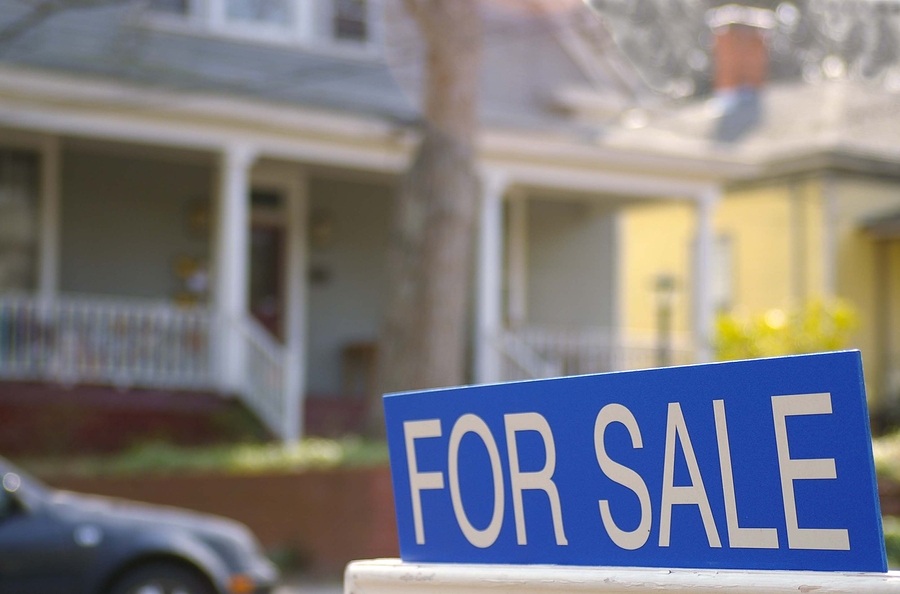
Almost everyone has had the experience of driving by a home for sale and impulsively taking a flyer. While fantasizing about the darling Craftsman bungalow in an older neighborhood can be fun, impulsively calling a realtor might not be the best choice. Taking the time to prepare for home ownership can save you money, hassle and heartache down the road.
Get a copy of your credit report. If your score is on the low side, take steps to increase it before applying for a loan. The higher your FICA score, the lower your interest rate is likely to be. Shoot for a score between 760 and 850, advises Bankrate.com. Build up your credit by applying for a credit card and making on-time monthly payments.
Do not apply for multiple lines of credit, however, as your credit score is adversely affected each time a company checks your credit report. In addition, if you have too large a line of credit, banks will be reluctant to make a home loan, as your potential debt to income ratio will be too high. Pay down any existing debt, as this will increase your credit score.
Make an honest assessment of your income and expenses. Before you can decide how much home you can afford, it is important to look at all of your expenses, including existing debt. Avoid the temptation to anticipate increased future income, or lower expenses. Look at your expenses each month over the past year and work with the numbers from the month with the highest expenses. This way, you will avoid committing yourself to purchasing a home that will financially tax you and your family.
Make a list of qualities you want in a home. If you have children, investigate local schools and identify the neighborhoods served by the schools you prefer. Look at crime rates, commute times and other quality of life factors. Think about whether you prefer new construction or a fixer-upper, and what amenities you would like your home to offer. Prioritizing your wants and needs will help you to avoid making a potentially unwise emotional decision after you have been approved for a home loan.
Get pre-approved for a home loan. Doing so will enable you to better negotiate with sellers and obtain a sales contract on the house you want. You will also be able to get the home appraised, which is essential to obtaining the actual loan. Ask around before deciding on a lender. Your friends and neighbors will be able to tell you of local lenders with whom they have had a positive experience.
Once you know what you want and are prepared, you are ready to go home shopping. Stick to your guns and resist the urge to settle for something less than what you want. Remember, if it is not available now, chances are it will be on the market soon.