
Accessibility Tools

Five Financial Benefits of Homeownership

Five Financial Benefits of Homeownership

French philosopher Gaston Bachelard once wrote, “If I were asked to name the chief benefit of the house, I should say: the house shelters day-dreaming, the house protects the dreamer, the house allows one to dream in peace.” While a sturdy roof certainly keeps out the elements and four walls ensure the privacy of occupants, owning a home imparts significant financial benefits as well.

  1. A home allows you to build wealth over time. When you own a home, your wealth—in this case, equity in your home—increases every month. Each time you make a mortgage payment a portion of the installment reduces the amount you owe, growing your equity (the difference between what you can sell it for and what you owe on it). Your equity will also increase as the value of your property increases.
  1. A home comes with numerous tax deductions. Provided you itemize deductions on your federal income taxes, you stand to benefit from huge deductions when you buy a home. For example, you can deduct origination fees from your income the year you buy your home. You can also deduct the interest you paid on your mortgage and the cost of your property taxes—the first year and every other year you own your home.
  1. Open a home equity line and deduct even more. If at some point you decide to tap into the equity you’ve built in your home to pay off high-interest debts, go to school or make property improvements, you can deduct the interest you pay on that home equity loan or line of credit when you figure your federal income tax as well.
  1. In many cases, you can avoid capital gains tax when you sell. Provided you live in the property as a primary residence for more than two years, you can keep up to $250,000 in profits (or $500,000 if you’re married) from the sale without paying capital gains taxes. If your home has appreciated substantially since the time of purchase, these tax savings can be significant.
  1. Owning a home is cheaper than renting—especially in the long term. According to a recent report on ABC News, rents are increasing across the country as apartment vacancy rates continue to fall. In many locations, rent is rising faster than wages or inflation—averaging 3.2 percent more in 2013 than in 2012. Experts expect rents to continue to only increase.

Buy a home and you’ll avoid rising rental costs as well as reap significant tax benefits, all while increasing your wealth. For more insight into the housing market in your city, contact a local real estate professional.
Questions to Ask at an Open House

Questions to Ask at an Open House

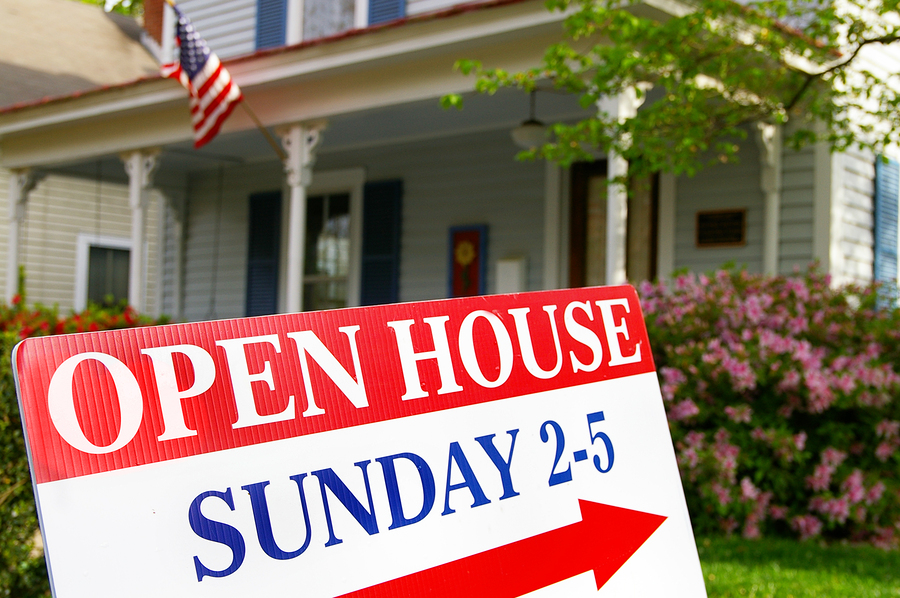
According to the National Association of Realtors (NAR), the average homebuyer spends 10 weeks searching for the right property. During that period, 90 percent look at available homes online—yet only 45 percent attend an open house. Those who don’t are missing out on a convenient opportunity to ask the listing agent or homeowners a few probing questions that could help tremendously in the purchase decision.

Before you attend your next open house—or private showing with a real estate agent, for that matter—consider the following enquiries virtually guaranteed to reveal much more than the age of the property and homeowners association fees.

Has the property had any offers? If you’ve found a home you’re really interested in, the answer to this question will indicate how much competition you can expect should you make an offer.

Have the sellers rejected any offers? If the current homeowners have rejected an offer, you’ll want to know why. That type of information will help you craft a bid they’re more likely to approve and, if you find yourself competing for the property, may even give you an advantage.

How long has the property been on the market? In general, the longer it’s taking to sell a home, the more likely the owners will be to accept an offer below asking price—especially if homebuyers have shown little interest so far. Ask about the timing of any previous price reductions as well.

Has the property previously been in escrow? If an offer was accepted but the sale fell through, it could indicate potential issues. Request copies of any inspection reports before you proceed with an offer of your own. Lenders will not finance mortgages for homes with serious or potentially costly defects.

Is the property subject to any liens? Unpaid homeowner’s association dues, property taxes and federal taxes can all result in liens on a home. The sellers would need to settle these before closing, which could result in a significant delay.

Why did the homeowners decide to sell? While more than 30 states have laws describing what a seller must disclose to a potential homebuyer—including things like structural problems, toxic mold and lead paint—not all require them to reveal issues with their neighbors or the neighborhood in general. Still, the agent may let something useful slip so it doesn’t hurt to ask.

Has this property appraised at the asking price? The real estate crash caused home values to decline across the nation, leaving numerous owners underwater on their mortgages. While values are on their way up once again, appraisal at the listing price is never guaranteed—and if it comes in low, it could derail your financing.

Many homeowners looking to sell put their properties on the market during the warmer months of spring and summer. If you’ve been thinking about moving up or investing in rental property, now is an excellent time to contact a real estate professional and begin the search for your next home purchase.