
Accessibility Tools

Essential Tips for the First-Time Home Seller

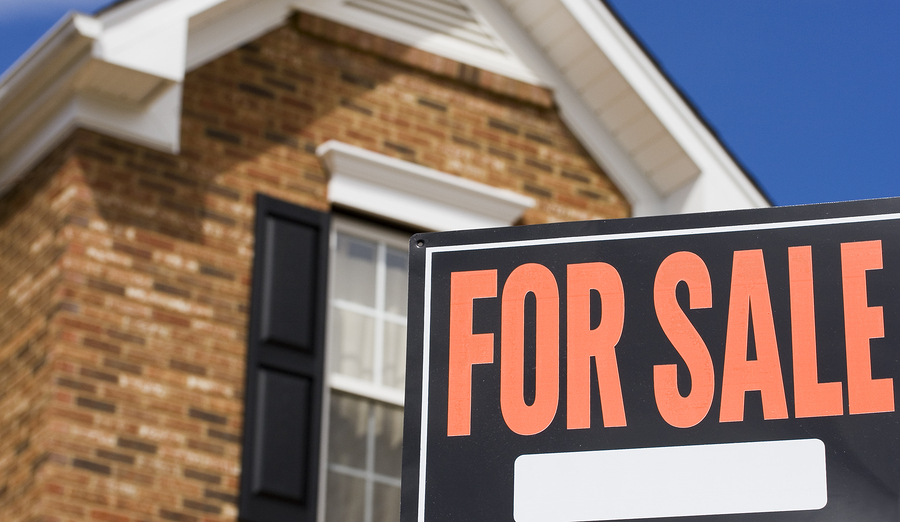
Home for sale - a sign in front of a brick house

Everyone knows that buying a new home is an exciting—though sometimes stressful—experience. However, unless you’ve been through it before, you may not realize that the process of selling your old one can be equally thrilling—in both positive and negative ways. Fortunately, the more informed you are about what to expect, the smoother the journey will be. Consider these essential tips for first-time home sellers.

Start with a realistic asking price.

Sure, you could ask for more than you’re willing to sell your home for and then reduce the price if you don’t get any offers. However, if you do so, you’re unnecessarily going to extend the time your property spends on the market. Realistic pricing—based on what comparable homes in your area are going for—is necessary if you want to attract the greatest number of potential buyers in the shortest period of time.

Find an agent who will market the property appropriately.

Yes, some potential buyers still drive through neighborhoods of interest when looking for a home, so a “For Sale” sign in your yard is essential. But you need an agent who will go further than that. According to the National Association of Realtors (NAR), 90 percent of homebuyers search for a new property online. This means you need a seller’s agent who will feature your home on the Web with lots of gorgeous photos that show the residence at its best.

Move half of your stuff out.

You’ll obviously want to make sure your home is clean and tidy when potential buyers come to check it out—but don’t stop there. Ask your real estate agent what else you can do to make it more attractive to visitors both in person and in pictures. He or she is likely to suggest eliminating all clutter and possibly even paring down the furnishings in your home to make it look more spacious. You can box nonessentials and store them in your garage or, even better, stash them in a storage unit so they’ll be off the property entirely.

Make smart upgrades.

Most buyers look at multiple properties before making an offer, so your home could face a great deal of competition. Ask your real estate agent about upgrades that will help it come out on top in the current market. In general, new carpet and interior paint are a safe bet—especially in soft neutrals that appeal to a wide range of tastes and can integrate with a variety of decorating styles. Your agent may also recommend kitchen and bathroom updates and other home improvement projects that add value and attract buyers.

Think about throwing in extras.

If you’ve priced your home to sell from the beginning, you might not have much room to negotiate with potential buyers without taking a loss. However, including extras is one way to get your asking price while still sweetening the deal. Consider throwing in an appliance or two (like the washer and dryer), paying for a portion of the closing costs, or other perks you can offer to get a potential buyer off the fence.

If you’d like to learn more about selling your home, give us a call. We’d love to answer all your real estate questions and put you in touch with an agent who has expertise in your market.

What’s the Best Mortgage for You?

Grandparents And Grandchildren Sitting On Sofa Together

The traditional 30-year fixed-rate mortgage is among the most affordable loan products available today. The longer term allows for a lower monthly payment than that found with a 15-year or 20-year mortgage. The fixed rate makes it more stable than an adjustable rate product; the monthly payment on the loan will never go up. In addition, few 30-year fixed-rate mortgages come with pre-payment penalties. This makes them flexible; you can pay off your mortgage earlier of you want.

That said, a 30-year fixed-rate mortgage is not always the best choice for every homeowner. There are a number of alternatives that could be a better fit for your financial goals.

Cash – While the many of home buyers may have been unlikely to consider an all cash offer in the past — that trend is changing. In 2014, 43% of all home purchases were cash offers, according to Realtytrac data. That’s nearly half — and if you can afford to go the all-cash route, there are a few benefits. First, you’ll avoid the hassle of applying for a home loan. Second, now that the real estate market is again on an upswing, you may earn a better rate of return on your investment than you will if you leave the cash in CDs or other low-interest savings vehicles. Finally, a home seller may be more likely to give you a discount on the purchase price in exchange for the ease of a closing facilitated by cash.

Fifteen-year fixed-rate mortgage – If you have the means to make the larger monthly payments required by a 15-year fixed-rate loan and want to be mortgage-free sooner, this is an attractive alternative to the traditional 30-year product.  It and the 20 year fixed rate mortgage are increasingly becoming a preferred loan option for refinancing. Because you’re paying a larger portion of the principal each month, you’ll build equity in the property at a much faster rate. This product often has a lower interest rate than a traditional 30-year loan as well—which can save you thousands of dollars over the life of the mortgage.

Five/one adjustable-rate mortgage – Adjustable rate mortgages (or ARMs) got a bad rap during the mortgage crisis. However, a 5/1 ARM is still a viable loan option for homebuyers and refinancers who are comfortable with some degree of risk and don’t plan to live in their properties for long. The product offers a low fixed interest rate for the first five years followed by annual adjustments for the remaining loan term. The lender will calculate the rate adjustment based on a variable rate plus a fixed margin. Most of today’s 5/1 ARM loans include limits on how much the rate can adjust in a single period and the maximum rate possible over the life of the loan.

Mortgage interest rates are still quite low, making it a great time to buy or refinance for many Americans. If you’ve been dreaming of lowering your mortgage payment, reducing your loan term, or buying a new home, contact your mortgage professional to discuss your borrowing options including these 30-year fixed-rate mortgage alternatives.